How to Stop the 3 P.M. Slump
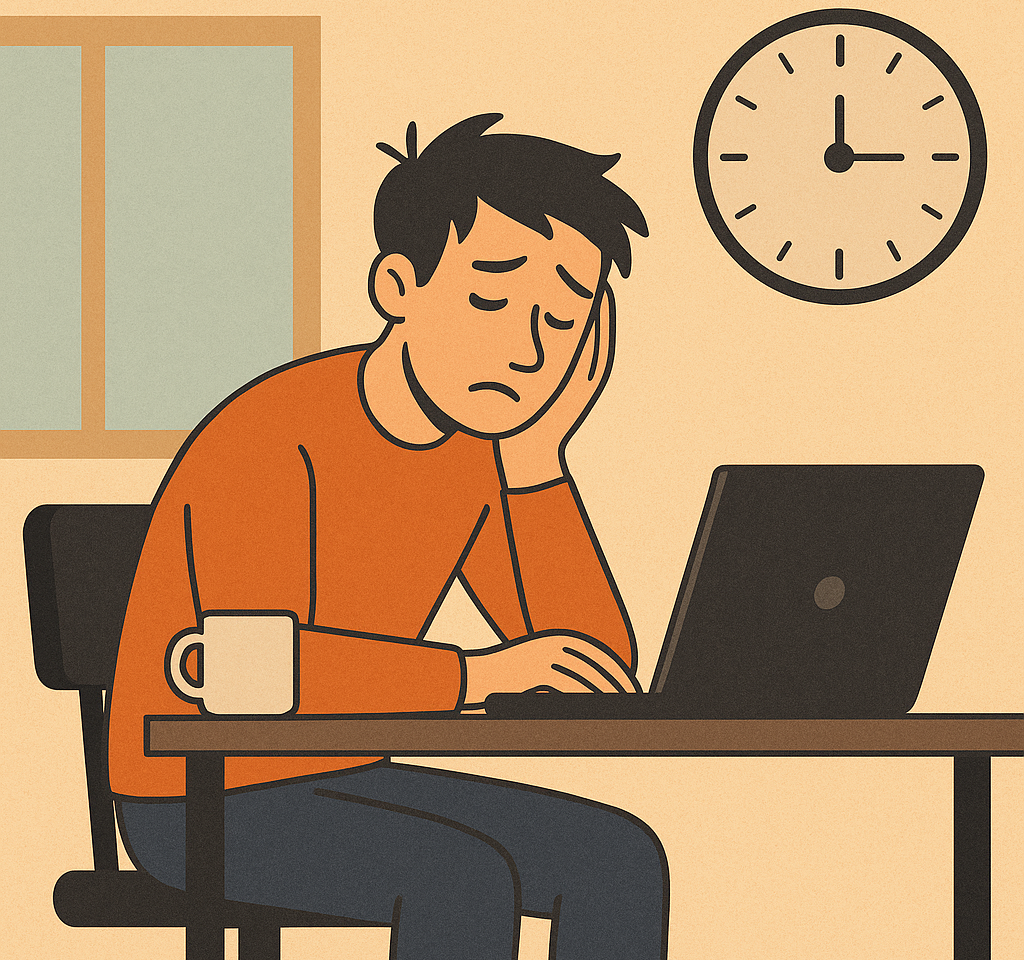
The "3 P.M. Slump", Explained
9 - 11:59 a.m.
Tasks turning from to do to done.
Your inbox fears you.
Caffeine levels are dangerously high.
12 p.m.
FOOD.
Now.
Immediately.
12:30 - 3 p.m.
Steady decline.
3 p.m. (slump time)
Pure survival mode.
You seriously consider a nap under your desk.
Brain speed: 2G signal in a concrete bunker.
You open a document. Read the same sentence three times. Still nothing.
3-5 p.m.
Where am I?
Who am I?
Why am I here?
5 p.m.
Yay! Home time!
Science Behind the Slump
Circadian dip
This is a natural period of decreased energy and alertness that occurs daily, typically between 1 p.m. and 3 p.m., due to the body's internal clock (circadian rhythm).
Blood sugar drop
A quick, carby lunch causes a rapid spike in blood sugar and a large release of insulin. This overcompensation then removes too much sugar from the bloodstream, leading to a drop in blood glucose levels, commonly referred to as a "crash.”
Dehydration
Even mild dehydration of just 1-2% can impair concentration, alertness and short-term memory, contributing to the feeling of "brain fog.” Drink some water. Do it now.
Caffeine levels
Peaking around 30-60 minutes after your cup of coffee, what goes up must come down. Caffeine blocks the brain's adenosine receptors (responsible for making you feel tired). When caffeine wears off, the accumulated adenosine rushes back, causing a rapid onset of fatigue, brain fog, irritability and headaches.
Mental fatigue
Don’t confuse it for poor motivation or lack of discipline; mental fatigue is a consequence of sustained cognitive effort. After several hours of activity, your cognitive resources are reduced.
How to Fight the Slump
Choose slow release snacks
Swap the sugar hit for something that fuels you for longer. These keep your blood sugar stable and your concentration consistent:
Protein bars
Nuts or seeds
Oat bars or bites
High fibre options
Drink like it’s your job
Water is key to avoiding fatigue, headaches and difficulty concentrating.
Micro-breaks
Two minutes.Try:
A short walk
A stretch
Stepping outside
A quick chat
Eat a balanced lunch
Avoid heavy, sugary or carb heavy meals. Opt for a lunch of lean protein, healthy fats and complex carbs.
Limit caffeine
A morning coffee is fine, but excessive caffeine will cause energy crashes. Evidence suggests we shouldn’t have caffeine after 3 p.m., as it affects our sleep and, therefore, tomorrow’s energy too.
Sleep
Make sleep a priority. Aim for 7-9 hours of quality sleep to give your brain enough time to restore itself.
In Conclusion
Small, consistent changes throughout the day can dramatically improve how you feel in the afternoon.